News

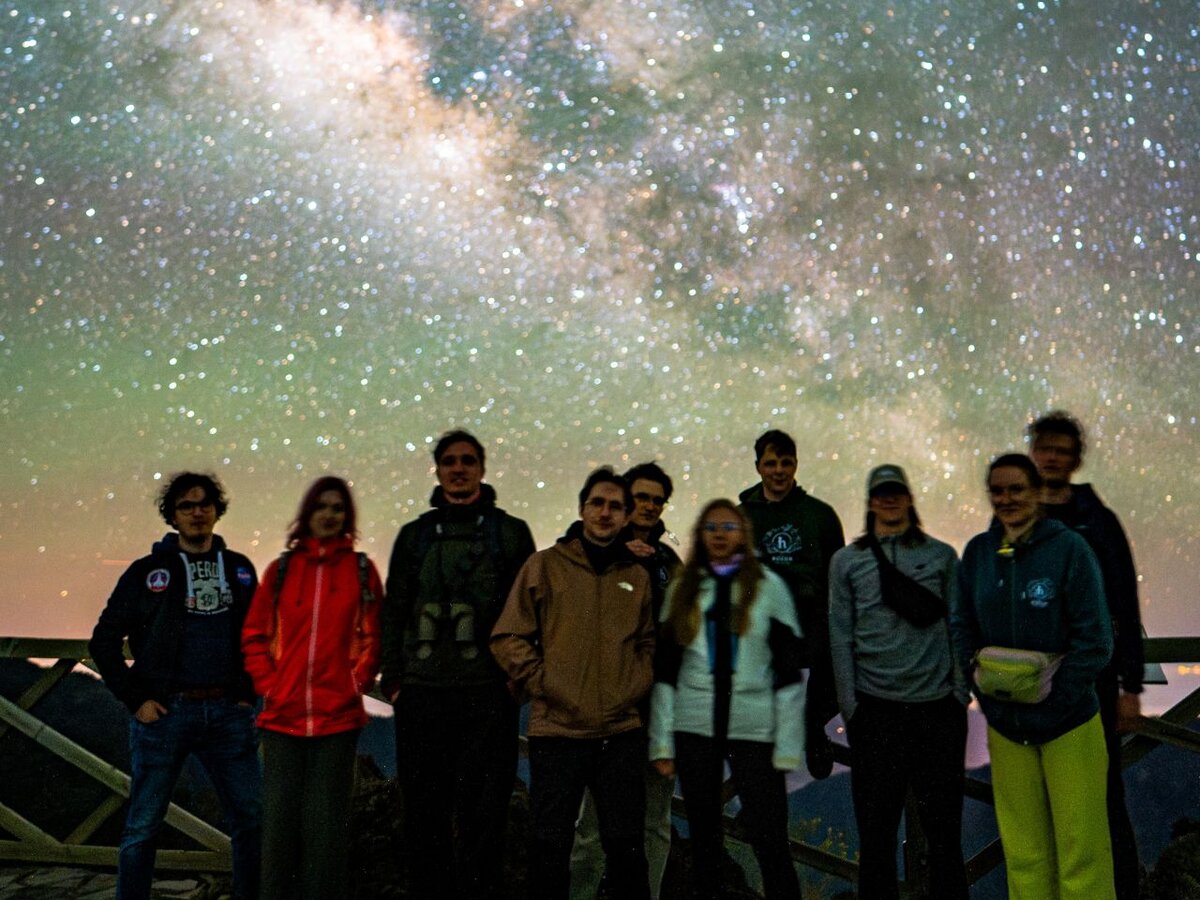
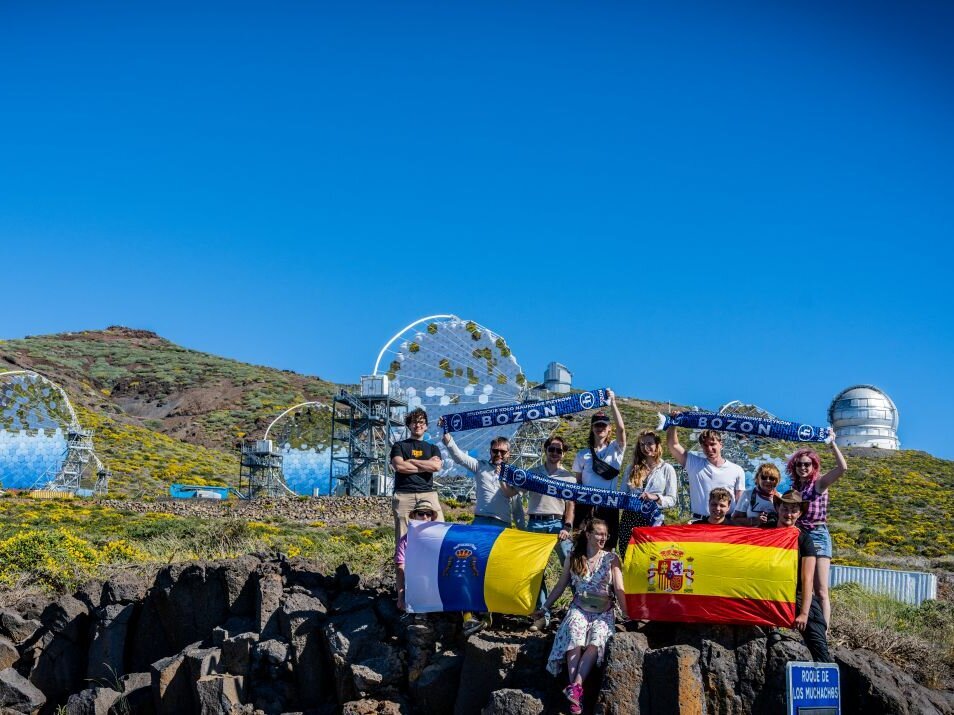
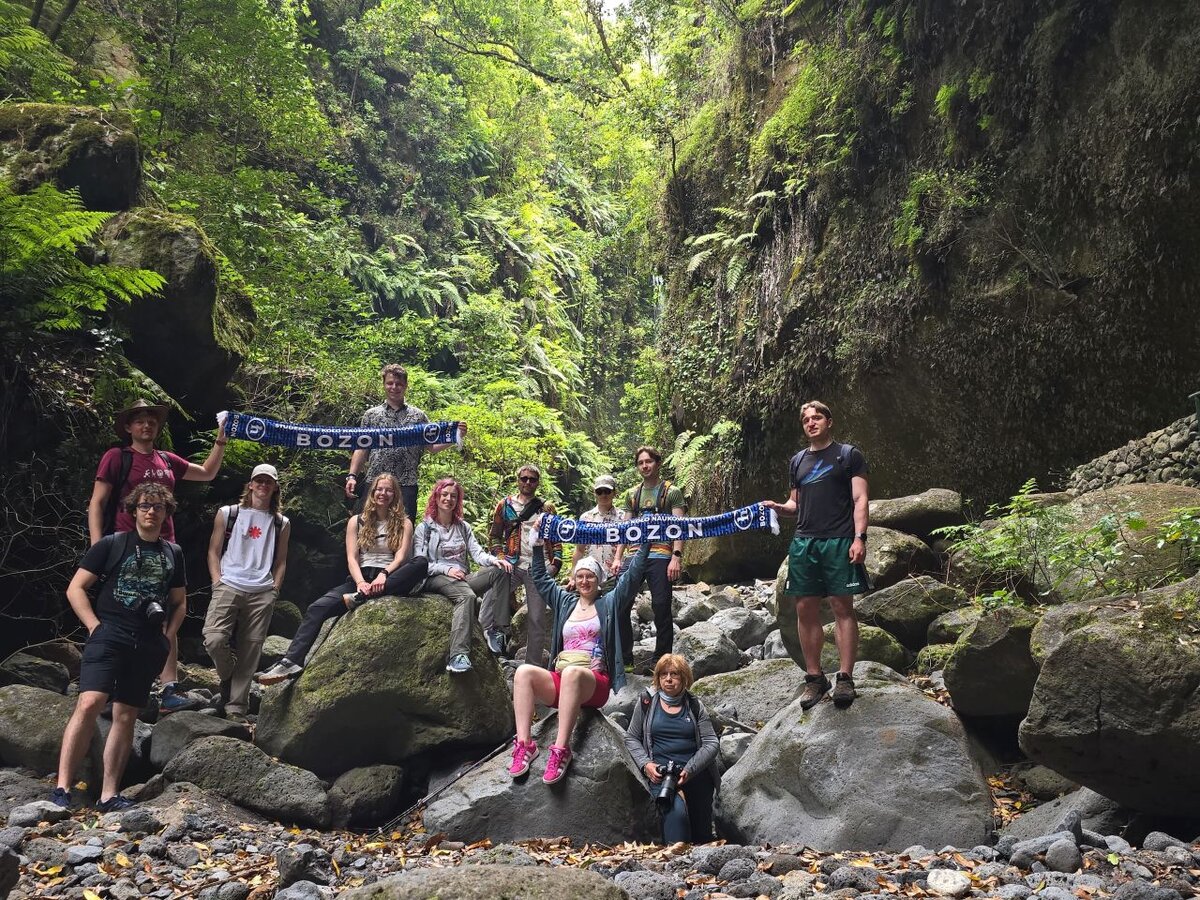
Members of the Bozon Student Research Club participated in a research trip to La Palma, where they carried out astronomical observations at the Roque de los Muchachos Observatory.
Their research involved observing Herbig–Haro objects, young stars that eject some of their matter during formation, causing the surrounding dust to glow.
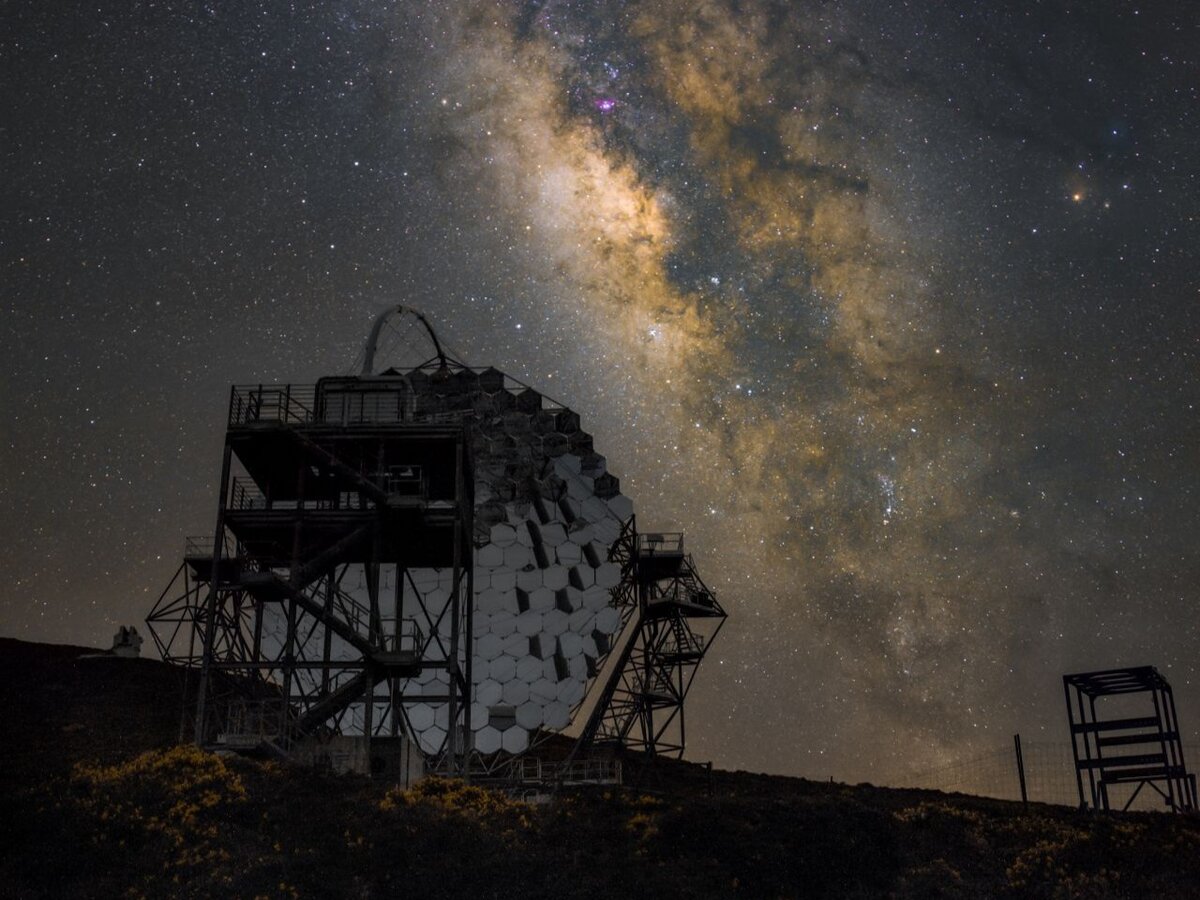
Astronomical observations were carried out at Roque de los Muchachos due to exceptional atmospheric conditions, low levels of light pollution, high air transparency, and atmospheric stability. Their aim was to identify and study the dynamics of currently detected Herbig–Haro objects, as well as to potentially discover new ones. This project was unique in that until now advanced research into these structures, described in the latest scientific publications, had been carried out mainly by the largest professional ground-based observatories, such as the Atacama Large Millimetre/submillimetre Array (ALMA) in Chile or the Very Large Telescope (VLT). In this case, the observations are made by students using amateur methods.
Herbig-Haro objects are small, bright regions within nebulae that form as a result of the interaction between matter ejected by young, forming stars and the surrounding interstellar medium. Dynamic and transient on astronomical timescales, they undergo noticeable changes within just a few decades.
They were identified using narrow-band astrophotography in the H-alpha, OIII, and SII bands in two areas of the sky: the Rho Ophiuchi region and NGC 6729, a nebula in the Corona Australis Molecular Cloud.
A detailed analysis of the structures within these nebulae will enable us to map already known and new objects of this type, and provides an excellent starting point for further research from various locations around the world.
Thanks to the kindness of the Roque de los Muchachos Visitor Centre, the students were able to visit an exhibition about the observatory, the telescopes located on its premises, and the geography of the island. In addition, members of the Bozon club conducted research in the field of environmental physics, including water and air pollution.
 New academic year discounts in AGH University e-Shop
  Monitoring mining and post-mining areas: AGH University part of MINERVA research project
  AGH University Rector appointed Chair of IZTECH Council
  AGH University retains its position in THE World University Rankings 2027
  Two AGH University projects with FIRST TEAM grant
  From nanoparticles to optogenetics: AGH University researcher on a path towards precise neural control
  A university shaping the future
  Web of Science AI Research Assistant – trial access

